Showing posts with label fintech. Show all posts

December 27, 2017

The 2017 tech year-in-review

The year is about to come to an end and I wanted to jot down a few thoughts about some of the events that I have found most significant in the tech and startup spaces over the last 12 months.

(1) Amazon goes brick and mortar

 If there is one major corporate transaction that I would highlight that would be Amazon's $14bn purchase of Whole Foods. We are all well aware of Amazon's clout and how much many of us rely on it for buying and selling stuff. This acquisition is a game changer and, even more importantly, it seems like it is not going to be the last of its kind, as in recent weeks there have been multiple rumors, in particular around French leader Carrefour, about Amazon acquiring in Europe.


As NYU Stern's professor Scott Galloway usually says, Amazon is slashing value out of traditional retailers and is likely to become the first $1tn company in the world.  Interestingly, he also points out how Amazon is a threat for competition and advocates for antitrust action that could easily to breaking the company up in different pieces.

Even in such a scenario, Amazon is a global "darling". Case in point: the beauty pageant / auction launched by Amazon among American cities for the purpose of erecting its second American HQ. An astonishing 238 proposals have been received. Game on.

(2) The crypto hype
As blockchain technology evolves, 2017 will be remembered as the year when cryptocurrencies became a new hot thing in tech. I would not dare say the became mainstream but it is obvious that when your mother asks you what bitcoin is and how she can invest in it, there is something going on. I already blogged about this some months ago.

The main cryptocurrencies (in particular bitcoin and ethereum) have had dramatic price increases (chart below; source: Coinbase), which has led to lots of market debate as to whether we are in a new bubble or if, on the other hand, bitcoin is for instance the new refuge replacing gold. There are arguments and interest of all kinds. From Jamie Dimon's - JPMorgan Chase's CEO - calling people "stupid" for buying bitcoin to the CME Group's launch of bitcoin futures a few weeks ago.


But this crypto frenzy has gone past bitcoin and ethereum. ICO is the acronym of the year and funds raised through this mechanism have exceeded $3bn. We have seen a proliferation of new ethereum-based tokens relying, in many cases, in dubious business models.


I took the time this year to learn a bit about all these topics and decided to invest (ie. gamble) some money in various cryptocurrencies to give this thing a shot. It did not go badly, although I am kind of expecting a short term correction and have therefore cashed in for the most part. In any case, in spite of diverse theories, I'd argue nobody has a real clue about how to value these new assets and how things are going to go down the road.

(3) The Uber crash

Uber has been for years the darling among startups and venture capital investors. Aggressive growth all over the world, increasing valuation round after round, huge losses relying on future market domination...and all of this relying on a "bro-kind-of culture" of work hard play hard.

In 2017 the foundations of Uber became under substantial scrutiny as a result of a very unfortunate  sexual harassment scandal which, rather than an isolated event, proved to be part of the company's culture itself. The whole thing led to CEO Travis Kalanick's resignation and to significant user backlash...and planted the seed for the #MeToo movement - which Time magazine has fairly acknowledged as "person of the year" - that exploded with the whole Harvey Weinstein "plot" .

I am very curious to see how Uber recovers under new CEO Dara Khosrowshahi after having moved into such a slippery slope. Corporate culture matters and now that culture-related scandals are reportedly bringing valuation down, executives will most likely pay more attention to it.

(4) Disney threatens Netflix

Star Wars: Episode VIII premiered in L.A. on December 9 and just a few days later in Europe. But this was not the only surprise that The Walt Disney Company had for us before the year end. On December 14 it was announced that Disney would be acquiring 21st Century Fox film and tv studios for $66bn (including debt) which, among others includes the FX and National Geographic networks, a large additional stake in Hulu and valuable franchises such as Alien and Avatar, or TV shows such as "How I met your mother". A massive move that I expect will change the playing field very significantly in the coming years.
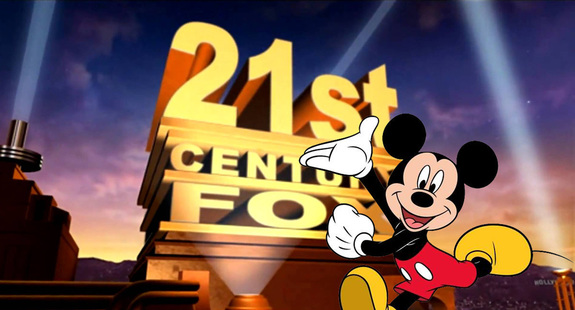
I have thought for a long time that entertainment consumption has changed forever and that TV as we have known it is doomed. Disney has understood this and in the last year they have amassed a ton of content on top of their traditional stuff, including Marvel, the Star Wars franchise. Now it is this bold move.

In the last months there have been rumors about Netflix being a target for Disney. However, this may no longer be the case. After deciding to pull content from Netflix, all points in the direction of launching its own service, either from scratch or on the back of Hulu. If you add sports content (i.e. ESPN) to the mix, we do have a new streaming battle ahead. Watch out Netflix, Amazon.

(5) The advent of fake news

2017 has been the year when fake news have become a major threat globally. It all started at the time of the US presidential election in late 2016. As it has been proven, Russia played a a central part in creating fake news that substantially contributed to changing public perception and generating opinion in favor or Trump. Upon becoming president, Trump started a PR war accusing CNN and others of being fake news. Several examples of this unacceptable activity followed for instance with the French election and, more recently, with the pathetic allegations against Spain's democracy fabricated by the Catalonian pro-independence block (and the likes of Russia and Venezuela) supporters) in their crazy and illegal pursue of independence.

Fake news are a 21st century weapon aimed at bringing down the foundations of democracy as we know it. And it is in this instance that technology companies - in particular Facebook and Google given their size and business models - have a huge responsibility to prevent, or at the very least minimize, fake news from happening. They have the budget, the resources and, increasingly, the technology (e.g AI) to address this. I am hoping that they honor their duty.

It's been an interesting year. I am sure 2018 is going to be a ride, which I am going to have to follow even closer. More to come soon.

Happy holidays!

August 20, 2017

Jumping on the cryptocurrency bandwagon

Blockchain and blockchain-based cryptocurrencies are all over the place these days. Is this just a fad or something that is here to stay? Are we talking about a valuation bubble or is this just the very beginning of a game-changing trend? I could not tell, and I dare say that the vast majority of people - even experts and those very familiar with these topics -  don't know wither.

In any case, I have been wanting to write a bit about this as, little by little, I am getting more immersed and interested in this ecosystem. I am not in a position to give a master class of any kind on blockchain and cryptocurrencies, so I will just jot down some notes about some topics that I find particularly interesting, in particular concerning the financial sector.

Blockchain-based applications and their legal fit
By providing an open, decentralized ledger of transactions, blockchain technology is challenging the status quo of information registration, authentication and distribution. In addition it is expected to provide additional transparency and lower transaction costs - I like how IBM simply and practically explains in this video how blockchain works.

Blockchain is not just a buzzword any more and a lot of applications and ecosystems are being built on blockchain across industries, including the broad financial one. One of the main challenges that I see is how blockchain-based applications are going to fit with existing legislation. One thing is disrupting processes and a different one is circumventing applicable laws which, in most cases, have not foreseen anything remotely close to blockchain.

A good example of this tension is the SEC's decision on initial coin offerings (ICO), according to which crypto tokens are to be regarded as securities under U.S. law. Renowned VC investor Fred Wilson wrote a blog post about this recently. I am sure other countries will follow suit. Again, ICOs may be a a way to disrupt money raising via cryptocurrencies; a different one is getting away from legal guarantees and requirements.

The cryptocurrency universe
A few weeks ago I came across the attached chart, which provides a pretty good view of this new ecosystem of cryptocurrencies that a month ago was valued at a "market cap" of around $80 billion. Yet Bitcoin, Ethereum and Ripple make up the most of that ecosystem, there are now 800+ cryptocurrencies out there.

According to a Bloomberg article, as of last July, more than 90 ICOs had taken place, resulting in more than $1 billion being raised - which exceeds the volume raised via early-stage VC financing.


Bloomberg further points out the fact that many of this ICOs are subscribed within minutes and, in many cases, based on simple product proposals, not on tangible MVPs or initial traction.

One last thing in the article that caught my eye is the fact that an increasing number of "traditional" bankers and investment professionals are migrating into this ICO universe.

Pricing cryptocurrencies
Many argue that there is a cryptocurrency bubble that could burst at any time following rapid price hikes in many tokens in the last months. Case in point: Bitcoin itself - price has quadrupled since January 1.


An interesting point to assess is the correlation between bitcoin and other cryptocurrencies. I dare say that it is not clear cut and there is no one-suits-all conclusion. However, it seems safe to say that, in general terms, tokens price are positively correlated. This and this analyses (charts below) I came across online exemplify this point.


So, are we witnessing a cryptocurrency bubble? This L2 video featuring a chat between NYU Stern professors Aswath Damodaran and Scott Galloway - definitely two of my very favorites while at b-school - provides some good insights:

  • you cannot value (i.e. cashflow-based) cryptocurrencies, you can price (i.e. interaction between supply and demand) them;
  • a lot of people have lost trust in paper money, central banks, governments... different crises (e.g. North Korea missiles) may be driving prices up, as cryptocurrencies become a sort of "haven" similar to gold;
  • historically, the value of gold has relied on the "illusion" of people having the chance to sell it to someone else. A similar thing may apply to cryptocurrencies;
  • people think that they have an insight to trade cryptocurrencies, they think they know more than they actually do. And that is a piece of the pricing game; and
  • the subset of people who think that financial markets are overpriced is a fairly large one...and they may be moving to cryptocurrencies to find yield, driving prices up as a result.


In short, a super interesting, rather nascent ecosystem that is being developed at lightspeed and subject to permanent debate. Time will tell where the path ends.


January 16, 2017

Two weeks in Berlin: my first (biz tech) impressions

It's been two weeks since, with the dawn of 2017, I moved to Berlin. Not long enough to settle anywhere, even less so when you are joining a new company in a city you are not familiar with, where you do not speak the language and know nobody (plus the weather - two cloudy and snowy weeks - and short days do not help either).  But I am taking baby steps each day, slowly but confidently, supported by a couple of acquaintances - how important it is to have friends who can "refer" you anywhere - and a warm welcome at work.

By looking at these past 15 days I can already point out a few local behaviours that have surprised me in areas where technology has been (and is expected to continue) playing a significant part. 


1. Cash is king
After having lived in New York for a long time I got used to paying 90% of anything with debit/credit card (I feel like Spain, or at least Madrid, has also evolved a lot in terms of accepting this payment means in the last years), as I find it convenient and it works great to track my expenses via apps, etc. 

That is not going to work in Berlin, I am afraid. Big bummer. Multiple places - not talking just about the doner kebab shop around the corner - do not accept cards and paying in cash is the only alternative. The same limitation goes for the Stripes of the world. Plus it kind of strikes me that, in particular in a city that has positioned itself as a top European tech hub, payment technology - one of finch darlings - is so detached from the day-to-day.


2. No Sunday shopping 

I typically do not have time Mon to Fri to buy stuff, other than groceries. When it comes to clothing, furniture, personal care, etc, it is Saturday and Sunday for me. 
Realizing that shops close on Sundays in a major and touristy city like Berlin has been a surprise. 

At a time where people are increasingly buying stuff online, this just gives people another reason to continue to do so - for instance, German online retailer Zalando keeps increasing sales vigorously quarter after quarter. I do not see that trend stopping around here (competition isses with Amazon and others left aside). At the end of the day you can buy online any day at any time.


3. No food delivery wars?
In the last few years a lot of money has been poured into food delivery companies such as Deliveroo, Just Eat, etc., just as other players such as Uber launched businesses (UberEats) to get a piece of the action. 

In two weeks I have just seen riders - and not a lot I must say - who work for one company: Delivery Hero's Foodora. I do not know the reason but I must admit I was expecting more activity and more players in the battle field. 

4. Berliners do not like their banks...either
Obviously I needed to open a bank account for my daily operations in Germany. I asked people around and there was no consensus whatsoever about what bank to pick. The consensus was actually on how disappointed most people were with their respective banks.

So, I have decided to give a shot at N26 (formerly Number26), the new German challenger bank backed by Peter Thiel and other VCs. I will be able to provide more info in a few months but I must say that the whole process of opening an account and of getting my cards and activating them was easy, seamless... and all online!


5. Car-sharing is hot
Before arriving in Berlin I had heard stories about how much Berliners use their own bikes - I have not seen a Citibike-like service such as the one in New York - to commute to and from work. Totally true, even if it is -8C outside and snowing. But public transportation - a great network of S-Bahn, U-Bahn, trams and buses is in place - is also very much used. Another thing that has somewhat suprised me is that traffic flows rather nicely when compared - based on my limited perception to date - to New York or Madrid. 

But one thing that is really hot in here is car-sharing. In addition to Mercedes Benz-owned Car-2-Go (which I already used in Spain - the same app works nicely, which is great), BMW has also its own car-sharing service called DriveNow.

There is a lot is to be learned when you relocate to a new country and keeping an eye on how things work is enriching. The European Union may be one single market, but at the end of the day, the differences among country members and their citizens are still very relevant. And I do not see that changing in the short and medium term, it is in each country's DNA.

December 29, 2016

My 2016 in review: the good, the bad & the ugly (of working at a young startup)

There are just a few hours left in this 2016. It's been a curious year, a bumpy, rollercoaster-kind of ride with a lot of takeaways and learned lessons. It's time to look back and do a sincere and objective assessment from a professional standpoint.


THE GOOD
(1) 2016 has given me the opportunity to work in the kind of startup environment that I had longed for quite some time, after having worked at multinationals pretty much all my life. I see that as a big success in itself after my bet on pursuing this path and my overcoming the hurdles that I had to face as a result of immigration issues kicking me out of the U.S.

(2) I have learnt a lot of new things following my jumping into an unknown territory that included a new industry, a different role, and multiple and diverse responsibilities. I have had the opportunity to be out there "in the trenches" to a larger extent, to expand my network, to work and get to know some great colleagues and to experience first hand a different way - improvisation, flexibility, I am embracing you - of doing things.

(3) I have been able to go way beyond my comfort zone and to challenge myself as I had not done in quite some time. I am satisfied with my overall performance but, above all, I value my daring to do so. Plus I strongly feel that this has helped me gain new skills and change my personal brand, as I explained in this post.

(4) Leading a learning the in & out's of a fundraising process has been priceless. I have enjoyed every minute of it: from researching, identifying and reaching out to domestic and international investors, to crafting pitch documents, presenting to investors and at different events and negotiating. It's been the most exciting and challenging thing I have done in years.

(5) Enjoying again what going to work means. I had forgotten that magic mix of excitement, cheering, happiness, challenge, commitment... I am aware that such a thing does not last forever but experiencing it again was awesome.

(6) Last but not least, I will remember 2016 as the year in which I was given the opportunity to pursue an exciting fintech opportunity in Berlin, one of the world's tech hubs - more on that here. There is no doubt that it will be a big challenge, both personal and professional, yet I am looking forward to starting.

THE BAD
(1) Things have not finished as I had envisioned them. Twelve months ago I was fully invested in a project and had the stamina and the confidence that we were on the path to building one of the next great companies. Even after having voluntarily decided to part ways, I can't avoid a somewhat bitter feeling of unfinished work and personal failure.

(2) Internal politics. When referring to corporate feuds, I guess we all tend to think of bankers, corporate finance titans such as Gordon Gekko or of powerful Fortune 500 companies' CEOs. Unfortunately, this happens everywhere, even in young startups. And assuming of course that such feuds are no good anywhere in the vast majority of cases, I dare to say that the harmful effects are more relevant in young, smaller companies. Disappointment is probably the word that best describes how I feel about that.

THE UGLY
(1) It is cold out there beyond established corporations. Success stories tend to make people think that building a startup - from coming up with an idea through to a billion dollar IPO - is way easier than it actually is. In most early-stage cases, you have limited resources, you do not have a powerful brand to leverage in your sales pitch, you have no significant track record to negotiate with banks and other stakeholders, you face dead-ends any other day... There are times when you feel powerless. You already knew it and embraced the challenge, true...but still.

(2) Having everyone pushing in the same direction and under the same vision is tough. Being able to align everyone in the team, from the CEO to the last intern, is not an easy task. Learning (or trying) to navigate the time-bomb resulting from human relationships in scenarios of uncertainty and cash pressure, is a priceless lesson that I definitely did not learn in my managing organizations course while at business school.

(3) As mentioned above, over the last year I was able to enjoy my work again. But at the same time, I experienced some of the worst days in my career to date. By joining a young, promising project I was confident that I would experience the former, but I would have never expected the latter. Even if this has been the case, I can assure you that I have learnt a lot from the experience, from both my mistakes and those of others.


Overall, in hindsight and having had time to reflect on all these experiences, I can say that it's been a valuable year. Let's see if 2017 is a better year, with more "good's" and fewer "bad's" and "ugly's".

My best wishes to y'all for the coming year!

December 7, 2016

Moving to Berlin: my new challenges ahead in fintech


My new challenges in 2017

A lot has happened over the last 16 months. I have gone through a roller coaster-kind of professional experience where I have had the opportunity to experience the good, the bad and the ugly of what working at a young startup means. I will reflect about such an experience in future posts but one thing is clear to me: I have learnt a lot at multiple levels. And now I am confident that such experience - paired up with my existing background which, as unexpected as it may be, is going to prove pretty helpful shortly - will help me succeed in all all my forthcoming challenges.

There is doubt that 2017 will be bringing me new challenges, opportunities and, in short, a new life in Berlin, Germany. As of January 1, I will be joining Crosslend, an innovative debt capital platform, as Country Manager for Spain.

Crosslend: what is it about

Near-zero and even negative interest rates make it increasingly difficult for investors to get higher returns, while increasingly tighter legal requirements make it harder for financial institutions to lend and push money down to the real economy (ie. SMEs). 

By means of an innovative and disruptive cross-border, single-loan securitization structure, Crosslend is creating a marketplace where both investors and debt originators can better achieve some of their goals. On the one hand, the company wants to help investors obtain higher yields by investing in a sort of new asset class, so the former can better meet their mid and long term yield goals. On the other, there is the challenge of becoming an important player in building the European capital markets union that should helps bridge the existing funding shortage between financiers (banks and others) and underfunded borrowers, by given the former a new alternative to free up capital and keep on going with their lending activities.

Co-CEO Dagmar Bottenbruch summarizes some of the key point sin this short interview at the LendIt conference held in last October.

Getting into fintech

Fintech has always been a sub-sector I have been attracted to and that I have had interest in, mainly as a user/consumer of new tools (wealth management robo-advisors, personal finance tools, international wire transfers, etc.), and also as a follower of disruptive B2B trends (crowdfunding, crowdlending, FX, etc.).

Some friends and colleagues have pointed out in the past that it could be a good destination for me. I think I enjoy an above-average understanding of finance as a whole thanks to my education and work experience, plus now I am able to bring in a more compelling tech / startup background (yet from a different industry) to the table. I am very happy to see that both ends are meeting now and excited about this new opportunity.


Berlin: a great place to be

Anyone who follows the European startup scene knows that in recent years Berlin has become - alongside London (even more so post-Brexit) - the European startup hub. A wealth of entrepreneurs and investors, the availability of international talent, a cosmopolitan environment and a reasonable cost of life (in particular when compared to Paris and London) have given rise to a thriving startup ecosystem. 

Plus Berlin is also a key player in the powerful German (and European) fintech ecosystem - see picture below - which spans across multiple sub-sectors and products, in both B2B and B2C segments.

However, I would be lying if I said that the idea of moving to Berlin has not been a surprise to me. I was not counting on starting my life pretty much from scratch...again. New country, new language (even if you can supposedly live off English quite nicely in Berlin), new friends... it gets harder as one grows older, but still... 

After weighing in Crosslend's promising project (backed by reputed VCs such as Lakestar and Northzone) and inspiring vision, a role that offers me a challenging opportunity and everything that Berlin has to offer, I have made up my mind. It will be curious to jump on a plane on January 1 to kick off such a new time for me.

To an exciting and fruitful 2017!!